Table Of Content
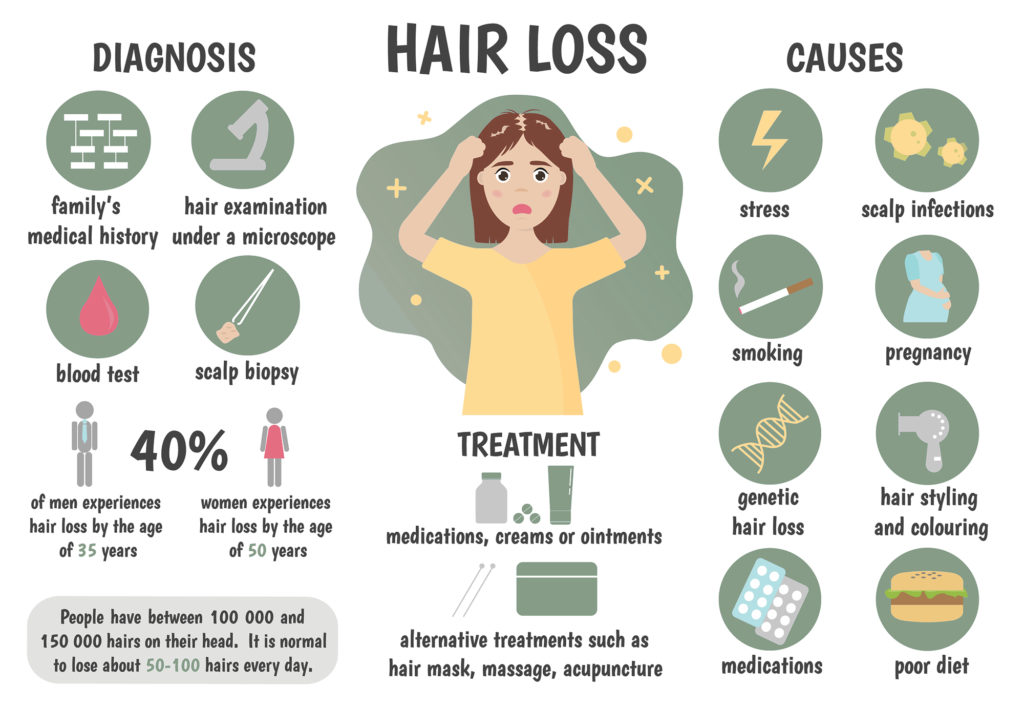
However, it is not yet clear whether it is possible to reverse hair loss due to smoking. Currently, no studies suggest that hair loss improves after stopping smoking, so further research is still necessary. The condition can be caused by many different things; from lifestyle changes, iron deficiency, or even illness. Telogen effluvium has been linked to people who've had COVID-19.
10 habits for good health
Find forms of physical activity that get you moving without feeling like another stressful burden. Some of these stress-busting movement practices include yoga (particularly restorative yoga), walking, tai chi, and qi gong. UPMC HealthBeat is the publishing website for UPMC, an integrated health care system based in Pittsburgh. Articles published on this site go through several rounds of review before publishing, including a clinical review conducted by UPMC medical experts. Anyone with concerns about hair loss or who has sudden, unexpected hair loss should consult a healthcare professional.
Editorial Advisory Board Member, Harvard Health Publishing
They may recommend switching medications or lowering your dose. Stress-related hair loss is typically not permanent and there are many treatments available that may help you. They will be able to determine the best treatment plan for you, which may include prescription medication. If stress and anxiety are plaguing you, they may refer you to a psychotherapist or psychiatrist to help you work through the underlying causes of stress and develop healthy coping strategies. We are in the midst of a mental and physical health crisis with ongoing serious consequences on our minds and bodies.
How else does smoking affect health?
When we are feeling stressed, we may adopt behaviors that help us find relief, such as pulling at our hair. There are many steps you can take to work directly on your scalp and hair, like looking into hair growth products, scalp care strategies, and adopting growth-promoting hair habits. Fortunately, the study also found promising evidence that simply removing the stress hormone helped restore and regenerate hair growth that had been stunted when the mice were under stress. Not only do stress and anxiety play a role in hair loss, they are also linked to the following three conditions that can trigger you to lose hair. You’ve probably heard about a possible link between stress and hair loss, but is there any truth to that claim?
Feeling stressed? Talk to a mental health provider through K Health.
Hyperstimulation can cause the changes of an active stress response even though a stress response hasn’t been activated. However, when stress responses occur too frequently, such as from overly apprehensive behavior, the body can’t complete recovery. When stress responses occur infrequently, the body can recover relatively quickly from the physiological, psychological, and emotional changes caused by the stress response. Stress responses stress the body due to all of the changes caused by the stress response. Therefore, anxiety stresses the body since anxiety activates the stress response.
Female-pattern baldness typically starts with scalp hairs becoming progressively less dense. Many women first experience hair thinning and hair loss where they part their hair and on the top-central portion of the head. Unfortunately, not really, given that this type of hair loss occurs months after a stressful event.
They can help diagnose the reason for your hair loss and advise you on any next steps. If regrowth is possible, they can help determine the best treatment plan for your symptoms. Managing stress effectively alongside having a healthy, balanced diet and good sleep can also prevent stress-related hair loss, Proudman said. But of all the various types of hair loss out there, stress-related hair loss is somewhat unique. Yes, it's still a pain to deal with, but, unlike other types, it's temporary. Ahead, experts explain how stress causes hair loss, how to tell if that's what's happening with you, and what you can do about it.
Special Health Reports
The different types of hair loss that can be caused by stress are telogen effluvium, alopecia areata and trichotillomania. Dermal papilla is known to be critical for activating hair follicle stem cells, but none of the previously identified factors secreted from dermal papilla changed when stress hormone levels were altered. Rather, the stress hormone prevented dermal papilla cells from secreting Gas6, a molecule that the researchers showed can activate the hair follicle stem cells. Further studies revealed that corticosterone prevented the dermal papilla from secreting GAS6, a molecule they showed can activate hair follicle stem cells.
Over time, hair can fall out more easily, even if you’re just washing, combing, or touching it. Telogen effluvium also can be caused by poor nutrition and changes in hormone levels. It is often acute, which means it occurs suddenly and for a limited time, but it can also be chronic, or long-term.
12 Best Shampoos For Hair Thinning And Loss, Per Dermatologists And Editors - Women's Health
12 Best Shampoos For Hair Thinning And Loss, Per Dermatologists And Editors.
Posted: Tue, 23 Apr 2024 07:00:00 GMT [source]
The impact of stress on hair growth has a lot to do with cortisol, a major stress hormone. The scientists next examined how corticosterone affects hair follicle stem cells. They found that the stress hormone was not regulating stem cells directly. By deleting the receptor for corticosterone from different cells, they determined that the hormone acts on a cluster of cells underneath the hair follicle called the dermal papilla. 'Menopause-related hair loss in women, often due to hormonal changes, manifests as thinning or shedding.

Alopecia areata is an autoimmune condition that is characterized by “round patches of hair loss on the scalp,” although it can occur elsewhere on the body, Agbai says. While the exact reason for this type of hair loss is unknown, it is generally understood that “the immune system mistakenly attacks hair follicles, leading to hair loss,” she adds. The short answer is yes, stress can cause hair loss, or contribute to it.
Telogen effluvium (TE) occurs when there’s a change to the number of hair follicles that are actually growing hair. If this change occurs during the telogen — or resting — phase of hair growth, it can result in shedding. While many types of stress-related hair loss are temporary, anyone noticing sudden or patchy hair loss should speak to their doctor. This can sometimes signify an underlying condition that may need medical treatment.


No comments:
Post a Comment