Table Of Content

Hereditary hair loss with age is the most common cause of baldness. Some people prefer to let their hair loss run its course untreated and unhidden. Others may cover it up with hairstyles, makeup, hats or scarves.
Anxiety and Hair Loss, Thinning, Balding, Bald Spots:
These are applied directly to the affected area(s) and can possibly stimulate hair growth over time. Chronic pulling can damage the follicle, which can affect regrowth. Finding ways to manage the condition can help keep the follicle alive and promote new hair growth.
Terms of Service apply.
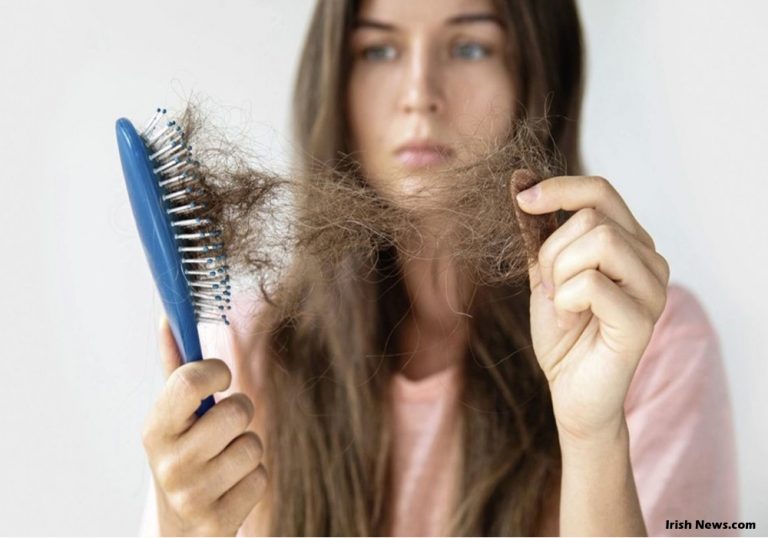
Most people can get the amounts of these vitamins they need by following a balanced diet, but in some cases, a doctor may recommend dietary supplements. Shampoos for thinning hair or hair loss also contain vitamins and amino acids to promote a healthier scalp. Still, there’s not enough evidence that essential oils can treat baldness or thinning hair. If you do decide to give this treatment a go, make sure that your essential oil is diluted in a carrier oil such as coconut oil or jojoba). Stress hair loss, or telogen effluvium, looks like hair falling out quickly from combing, washing, or even just touching the hair.
How to prevent hair loss
During growth, stem cells divide to become new cells that regenerate hair. Until now, researchers hadn’t determined exactly how chronic stress impaired hair follicle stem cells. If you start suddenly losing abnormal amounts of hair three to four months after a particularly stressful event, you're likely experiencing telogen effluvium. But take heart in knowing that this is temporary and will most likely improve on its own with some time. So during hair growth, the stem cells that live in the hair follicle divide to become new cells to regenerate hair. When we’re undergoing periods of stress, hair can essentially become stuck in the telogen phase with excessive shedding, but without new hair regeneration.
‘Telogen effluvium is a type of hair loss resulting from the disruption of the hair growth phase. When more hairs are in the resting phase than in the growing phase, extensive hair shedding and sudden hair loss in women can occur. On average, 85 percent of hairs are in the growth phase, while roughly 10 to 15 percent are in the telogen (or shedding) phase.
Is There Any Way to Reverse Stress-Related Hair Loss?
Singer Paloma Faith, 42, is the latest celebrity to open up about female hair loss, revealing that her condition is caused primarily by stress. The London born songwriter and actress joins a long list of women, including Ashley Graham and Jada Pinkett-Smith, who have spoken candidly about their hair loss journey. Thinning caused by telogen effluvium may be treated with a medication called minoxidil (Regaine) – this is a topical treatment applied directly to the scalp. It’s also fairly common for people with mild alopecia areata to experience regrowth. Though we tend to think of stress as a psychological issue, it can affect your body. If you’ve ever experienced a period of significant stress you’ll know it can cause a long list of symptoms, including problems sleeping, headaches, and heartburn.
Where to turn for hair loss help
11 Best Hair Growth Serums to Address Thinning Hair - Vogue
11 Best Hair Growth Serums to Address Thinning Hair.
Posted: Thu, 25 Apr 2024 19:26:30 GMT [source]
If you’re a man living with male pattern baldness, visit our online hair loss clinic to learn about how finasteride works. We offer Finasteride, Propecia and also Regaine foam for men - which contains minoxidil. For most people, stress-related hair loss will be temporary, and it’s simply a case of “waiting it out”.
Stress-related hair loss
According to Healthline, other common types of alopecia include traction alopecia, telogen effluvium, alopecia areata, central centrifugal cicatricial alopecia (CCCA), and lichen planopilaris (LPP). Approximately one third of those who struggle with anxiety issues experience hair loss, thinning, and balding. When hair thinning, hair loss, and balding are caused by any of the other factors mentioned in point 2, addressing the specific cause will alleviate hair thinning and loss symptoms.
To see if anxiety might be playing a role in your anxiety symptoms, rate your level of anxiety using our free one-minute instant results Anxiety Test or Anxiety Disorder Test. A dermatologist can also help find a suitable treatment option. Proteins, fats, and certain vitamins and minerals are important for hair health. Stress is just one of the reasons you could be experiencing hair loss. Taking care of your tresses can potentially help reduce excessive shedding and prevent future hair loss.
In this condition, your body’s immune system attacks your hair follicles, causing your hair to fall out. In some cases, alopecia areata can just cause hair to thin, while in other cases people may develop bald spots. Doctors aren’t sure exactly what causes alopecia areata, though genetics may play a role.
Hair growth may take 6–12 months to improve, but if a person stops using the treatment, hair loss will recur. In males, hair thinning tends to occur from the hairline to the back of the head and resembles an “M” shape. Hair-pulling disorder affects around 0.5 to 2 percent of people and can lead to permanent hair loss and thinning if left untreated. Between six and seven million people in the U.S. are affected by AA. Alopecia areata hair loss is generally patchy and can happen anywhere on your scalp. Any number of lifestyle factors, genetics, recent life events (such as extreme weight loss in a short period of time or giving birth), or medical conditions can cause your hair to thin.
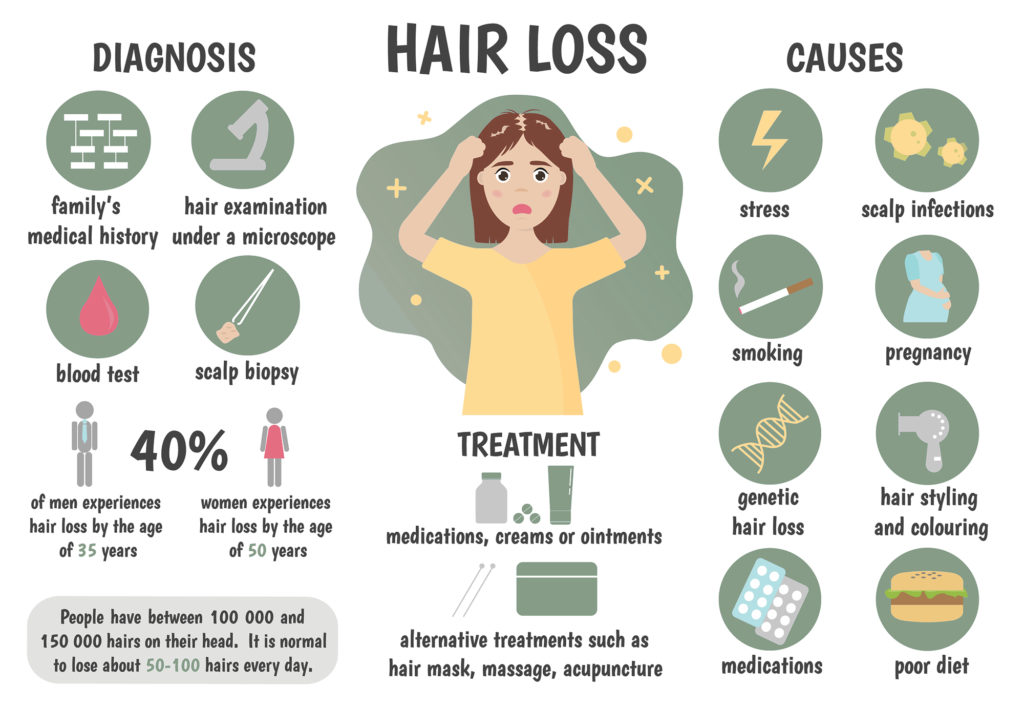
If you eat a balanced diet, it’s unlikely that you’re low in biotin. However, supplemental forms of biotin have been on the rise in recent years, thanks in part to marketers promising more energy and better hair growth with such products. It’s common to lose 50–100 hairs per day, according to the American Academy of Dermatology (AAD). Any more than this could mean you’re shedding more than you should, which could contribute to overall thinning hair.
Although it’s common to lose hair throughout the day, it’s a good idea to speak with your doctor if you’re losing more than 100 hairs per day. To help manage stress, it’s important to take some time for yourself, whether it’s a meditation session or a relaxing hobby you enjoy. You may also consider talking with a therapist if you’re having a difficult time with chronic stress. However, you should avoid taking any extra vitamins if you’re already getting the nutrients you need. There isn’t any evidence that doing so will reverse thinning hair, and getting too much of certain nutrients may actually do more harm than good.



No comments:
Post a Comment