
With some conditions, such as patchy hair loss (alopecia areata), hair may regrow without treatment within a year. Treatments for hair loss include medications and surgery. Male pattern baldness is a very common type of hair loss that affects people assigned male at birth.
How can I prevent hair loss?
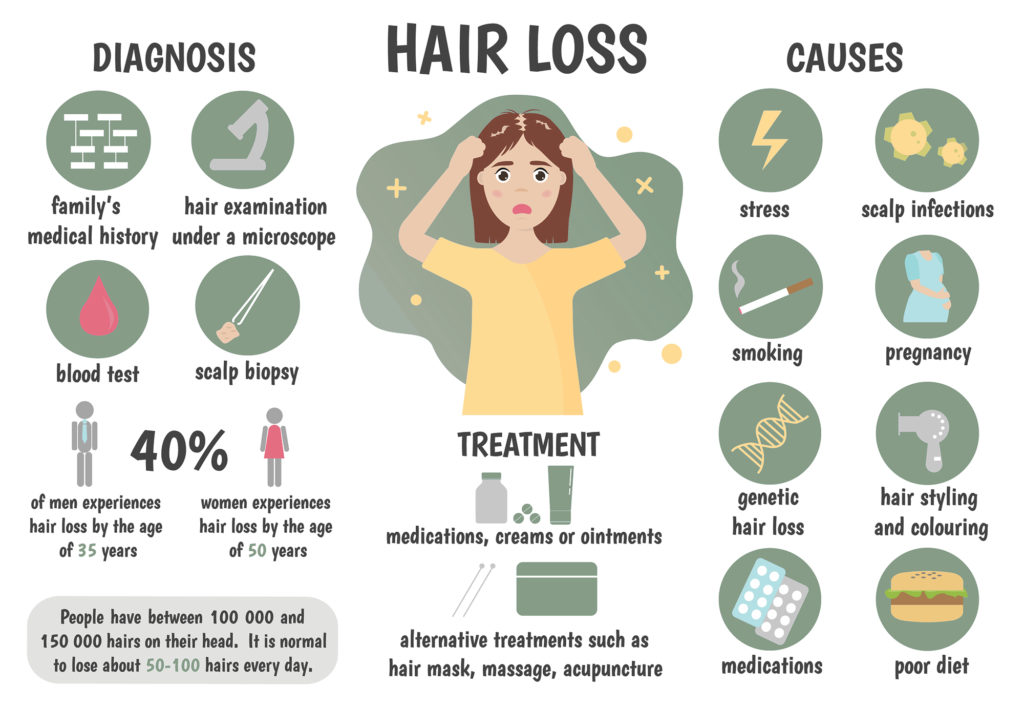
Essentially the body's immune system attacks hair follicles, severely impacting their ability to grow hair. While the resulting hair loss might be most noticeable on the scalp, this condition can result in hair loss and baldness anywhere that hair exists on the body. While anyone can lose the hair on their head, it’s more common in men than in women. Still, some hair loss in both men and women is normal on a daily basis – usually around 100 hairs each day. The difference is that with a healthy head of hair, the lost hairs are quickly and continually replaced by new ones. Nearly 40% of guys in their 30s will experience some amount of hereditary hair loss, with over 50% experiencing it by the time they turn 50.
Stress
There are several reasons why you might be losing your hair. According to Agbai, genetics, hormonal shifts, stress, underlying medical conditions, nutritional deficiencies, and scalp inflammation are notable factors. If you have a medical issue with your thyroid, you may notice hair thinning. It’s even possible for your hair to come out in clumps when brushing. Treating the thyroid disease may reverse the hair loss, as no damage is being done to the follicle. Minimize the use of high-heat styling tools, hair extensions and harsh treatments like perms.
How can I prevent male pattern baldness?
In addition to losing hair on the scalp, some people with alopecia areata lose hair from their eyebrows, eyelashes, or other parts of the body. Every few months, like clockwork, some kind-hearted researcher will publish a brand new study designed to reinforce how miserably the bald have it. The previous year, another study found that 60% of bald Polish men experience a sense of shame, just because they’re bald. If your hair loss is caused by an underlying disease, treatment for that disease will be necessary.
People who inherit certain genes are more susceptible to male pattern hair loss. Research has linked several genetic changes to this type of hair loss, but so far, scientists have only confirmed one of them. This gene is known as the androgen receptor (AR) gene. Other types of hair loss tend to happen faster than male pattern baldness. Everyone loses hair all the time, maybe up to 100 strands a day. They fall out, then grow back in, and the cycle starts over again.
What to expect from your doctor
Thinning hair in women: Why it happens and what helps - Harvard Health
Thinning hair in women: Why it happens and what helps.
Posted: Wed, 03 Apr 2024 07:00:00 GMT [source]
This usually happens because of radiation treatment or chemotherapy. I also cannot overstate how much baldness will save you time. There’s no need for me to brush my hair before leaving the house, or towel it off after swimming. There is zero difference between me at my most dishevelled and me at my most preened any more. A little while ago I had to get dolled up for a big event. From the neck up, I looked exactly the same as I do when I’m chugging Doritos in front of Emmerdale.

Talk to your healthcare provider about what may be causing your hair loss. In many cases, effective treatments exist that can slow hair loss and help spur new hair growth. And many people find ways to thrive and feel great, no matter how much — or how little — hair they have.

Common Causes of Hair Loss in Men
Best Hair Loss Treatments for Men in 2024 - Healthline
Best Hair Loss Treatments for Men in 2024.
Posted: Mon, 15 Apr 2024 07:00:00 GMT [source]
This is mainly because I’ve realised that bald men are everywhere, and nobody cares. A few months ago, when I was feeling particularly sensitive about the state of my head, I attempted a quick audit on my fellow passengers. I cast my eyes around and realised I could see at least half a dozen men with differing levels of baldness. The amazing thing was that I hadn’t noticed any of them until I actively started seeking them out. On a much less serious level, the same can be said for baldness.
And 25% of bald men see first signs of hair loss before age 21. Whatever the cause of your hair loss, seeking medical attention from your primary care doctor or a dermatologist can help you identify underlying causes. Treatments for hair loss are more likely to be successful if started early.
Female-pattern baldness typically starts with scalp hairs becoming progressively less dense. Many women first experience hair thinning and hair loss where they part their hair and on the top-central portion of the head. In reality, there’s a very limited number of effective treatments for male pattern baldness. Given that two-thirds of American men will experience a significant level of thinning by the age of 35, it's worth running through the options.
Male pattern baldness is the most common form of hair loss and is related to both genes and male hormones. It can start in your twenties but by the age of 50, most men have some form of it. Also called male androgenetic alopecia, it can start as either a receding hairline, thinning of the hair or a bald spot that develops on the crown of the skull. Minoxidil (Rogaine) is a topical hair loss treatment that you apply to your scalp two times a day to help promote hair growth in thinning or balding areas. Although you can’t prevent male pattern baldness, there are ways to slow down hair loss.
It works by blocking the production of the DHT hormone that causes hair loss. A dermatologist is a medical doctor who specializes in treating the skin, hair, and nails. It’s easier to hang on to your hair than replace it once it's gone. When in doubt, your doctor or a dermatologist may be able to help.
Both Rogaine and minoxidil can take 4–6 months to show results. Results also depend on proper application and dosage. A hair transplant usually takes at least three weeks to recover. It may take up to a year before you see the full results. You may need several “touch-up” hair transplant surgeries to achieve a natural-looking result.
Traction alopecia is the result of environmental factors, such as wearing your hair in tight hairstyles, Agbai says. Telogen effluvium refers to the excessive shedding of hair follicles, and it occurs when hair follicles prematurely skip to the end of the hair growth cycle, she adds. Losing your hair can be a distressing experience, but you’re not alone. There are some medications that can lead to hair loss as a side effect. If so, see if you can change to an alternative medication that won't affect your hair.



No comments:
Post a Comment